One of the easiest habits for me to fall out of is spending time doing creative activities. Unfortunately, it is also one of the hardest habits for me to restart after I have stopped attending to my creativity regularly. When I sit down with the intention to draw or paint, I sometimes realize I don’t quite know how to begin anymore. The pressure to “be good again” can creep in quickly. The fear of the blank page is a very real phenomenon. Just creating random sketches does not work for me; I need something more purposeful, so I naturally lean towards creating a visual diary of my experiences with nature.
For me, a nature journal isn’t about creating flawless Instagram ready drawings. Rather, it is about pulling myself out of my head and being present to observe the world around me. When sit down to create, I look at what is already around me, such as, the tree outside my window, the antics of the birds at my backyard feeder, a houseplant, or even a fallen leaf. The subject matter is endless and, more importantly, accessible. The inspiration of the natural world offers me both inspiration and a challenge.

When I’m trying to rebuild an art habit, decision fatigue often becomes the hidden barrier. I simply record what I see, starting small has always helped me push past the initial barrier to putting the first mark on the page. Picking out simple shapes and subjects lowers the resistance and makes it easier to begin, even on days when my motivation is low. Sometimes I add a few written notes, such as, basic weather details or an insight that crossed my mind about the subject I am drawing.
I have found keeping creative sessions short helps me build consistency; just showing up is already a win. For me, keeping drawing time to 5 or 10 minutes is helpful to build a habit that also provides a reward of having a nature journal that becomes a record of both my surroundings and my renewed creative rhythm.
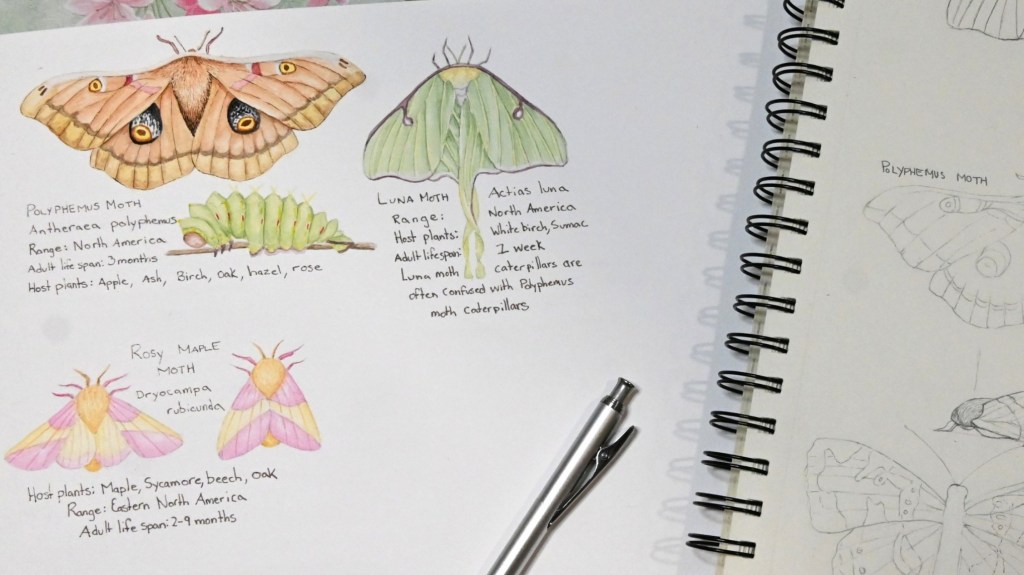
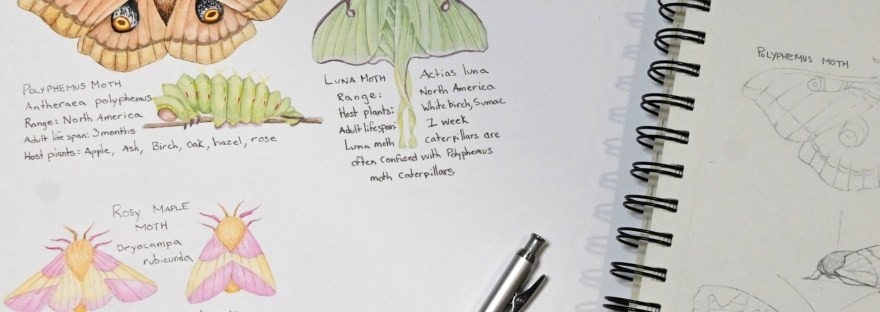
I have also found that keeping the art supplies that I use to a minimum is important to maintaining my momentum. I just use a cheap sketchbook of multimedia paper and a pencil for the main sketch, and then I add a layer of watercolour to indicate the colour of my subject. Sometimes I will just use a 5 by 8 inch index card that I will later attach to my sketchbook. Lastly, by leaving my journal somewhere visible it makes it easier for me to start sketching regularly. The easier it is to start, the more likely I am to follow through.
For me, the simple act of noticing, recording, and returning is enough. Everything else grows naturally from there.


