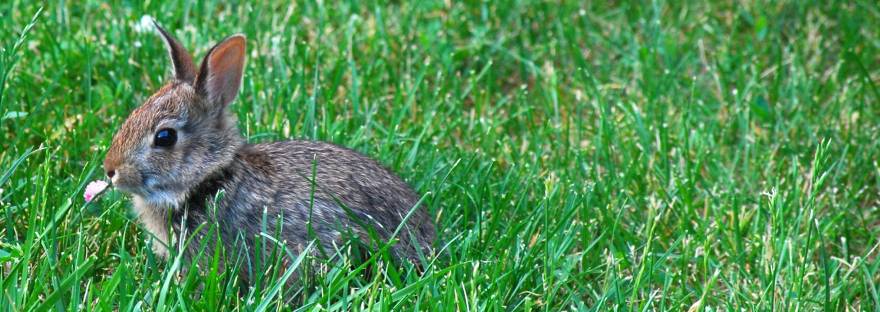
One of the things that I like the most about maintaining a garden is seeing the diversity of wildlife that visits my yard on a regular basis. I find inspiration in watching the birds and small woodland animals as they explore their environment. Of course, there are negative aspects to having wildlife in the garden. I’ve had my share of shrubs become a tasty meal for the wild rabbits and there is a thriving skunk population in my neighbourhood that makes me more alert when I am out in the mornings. As with most things in life, there is a balance that needs to be struck between being safe and having a flourishing garden and understanding that urban and suburban wildlife have a role in local ecosystems as well. With a little understanding, patience, and strategic planning, it’s entirely possible for people and wildlife to peacefully coexist in the garden space.
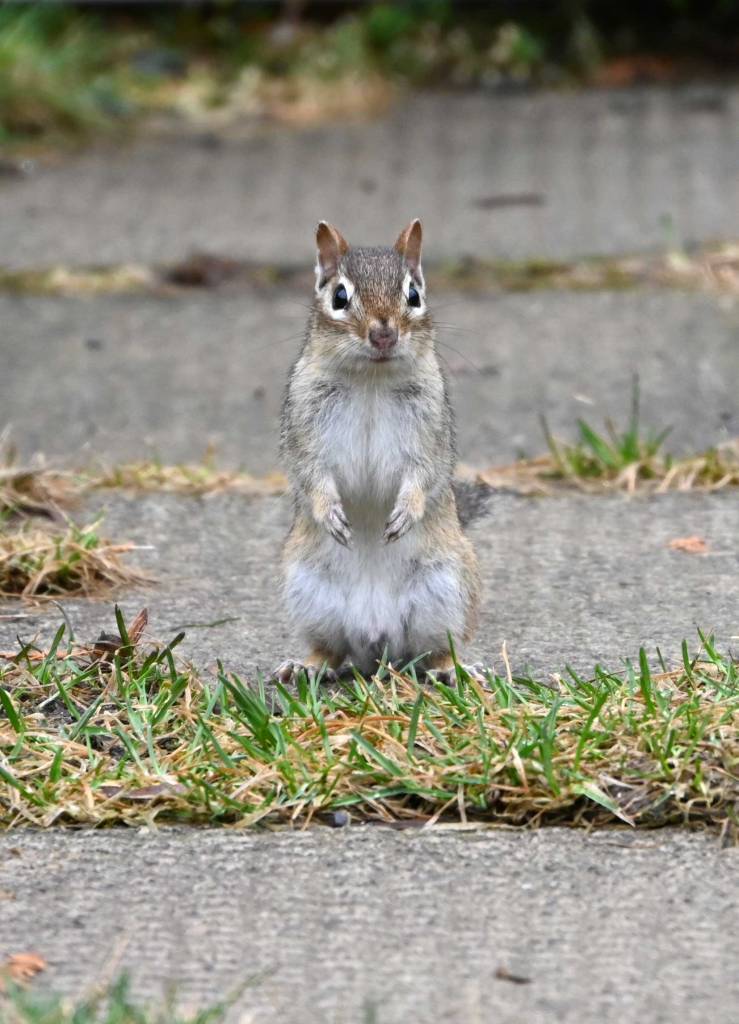
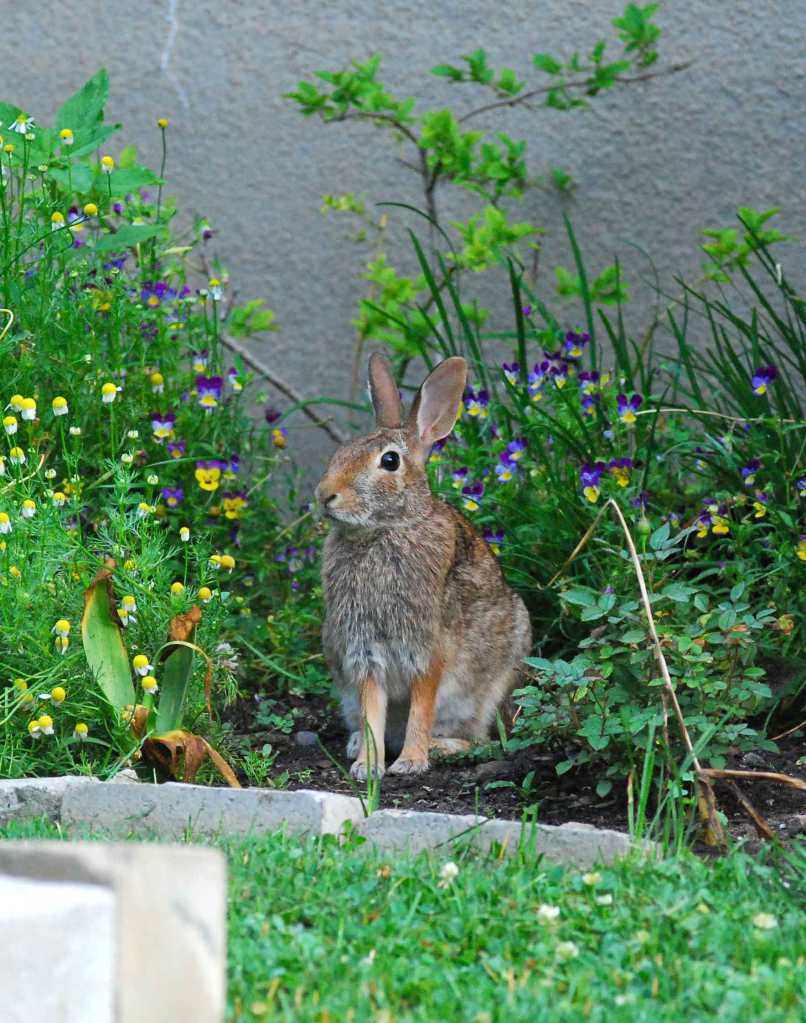
It helps to understand the behaviour and needs of the particular animal that is causing a disturbance in the garden. Each species has its own habits and preferences, and by gaining insight into these, gardeners can better anticipate potential conflicts and implement effective strategies for living together. It is the rabbits and chipmunks that pose the greatest challenge for me. By watching their habits, I noticed that the rabbits were most destructive to my plants during the fall and winter, when their preferred snack, my grass, was covered with snow for the winter.
I also noticed that the chipmunks had a preference for some bulb types more than others. With this knowledge, I made a few simple changes to my garden with their habits in mind so as to minimize issues in the future.
Some common techniques for deterring animals include using barriers such as fencing, netting, and wire mesh. I have had success using wire-rolled fencing that I cut down to smaller sizes and put around plants during times when they are most vulnerable. I don’t use netting anymore because birds can get caught in the netting and get injured or die. Plant native plants that have developed survival strategies and are less appealing to local animals, such as deer and rabbits. There are some attractive native plants in every region.
It is also important to keep your garden clean and free of debris that might make an attractive home for rodents, regularly remove fallen fruits, seeds, and other food sources that could draw unwanted wildlife, and keep bird feeders away from the house. If your outdoor space is large enough, plant a separate garden with plants and shrubs specifically for wildlife in an attempt to keep them away from your main garden.
Whether you want to make your yard a sanctuary for woodland animals or prefer to direct them away from your gardens, there will likely always be some wildlife around the yard, and a balance will need to be found between deterrent techniques and having an enjoyable outdoor space. If health and safety aren’t an issue, I found the best route to take is to accept that I have minimal control over the animals around my house and I have come to enjoy their presence.


This is a great post. I’m surprised it didn’t get more attention. Lots of good suggestions on co-existing successfully with wild critters.
LikeLiked by 1 person