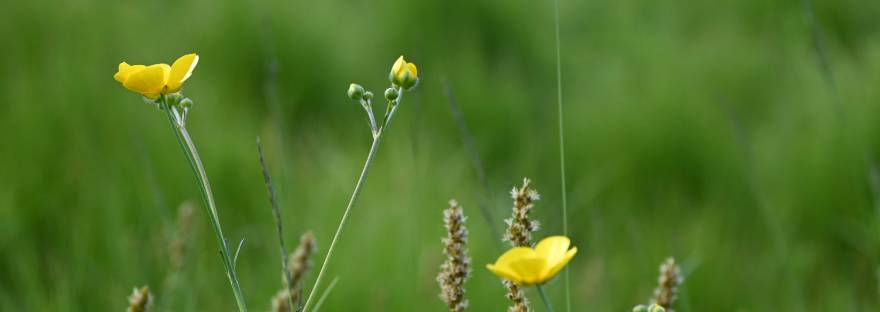
As nature’s most vibrant creations, flowers showcase an array of colors, shapes, and patterns. One of the most intriguing features of different flower varieties is the unique shapes and arrangements of their petals. Despite the vast number of plant species, common patterns emerge, offering a glimpse into the intricate design and evolution of flowers. Although much of the study of flowers has been done with a scientific purpose, it is still beneficial for the artist to know a little bit about the fundamentals of plant and flower biology in order to recognize the general shape of a flower and quickly break down its overall structure into smaller, more manageable forms. This helps resolve the initial feeling of overwhelm that can be common when starting a new subject. Studying the biology of flowers also fosters inspiration and a greater understanding of the significance of plants in the natural world.
Common Types of Floral Symmetry
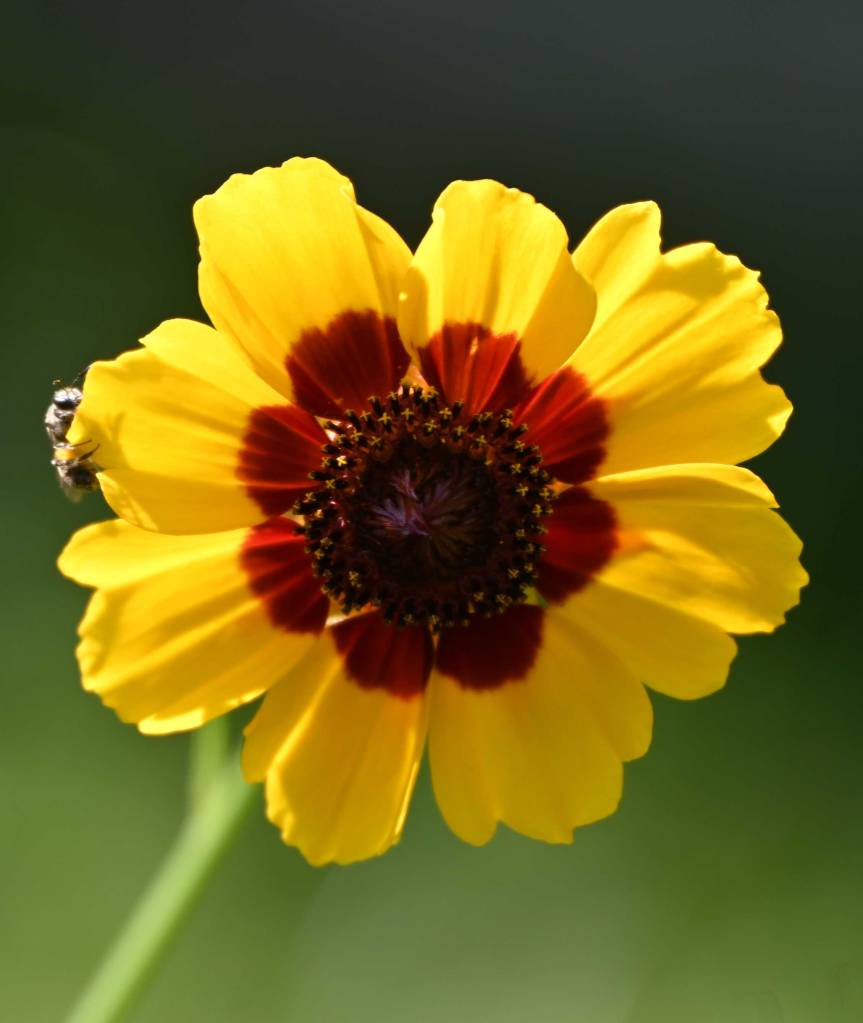
The most frequent flower pattern is radial symmetry often seen in flowers like daisies, sunflowers, and hibiscus. In these plants, the petals are evenly spaced around a central point, creating a circular or wheel-like shape that is visually striking. This symmetrical arrangement is thought to help flowers attract pollinators by making them easily visible and accessible from any direction. These flowers often exhibit a sense of openness and attract pollinators by displaying their reproductive structures prominently.
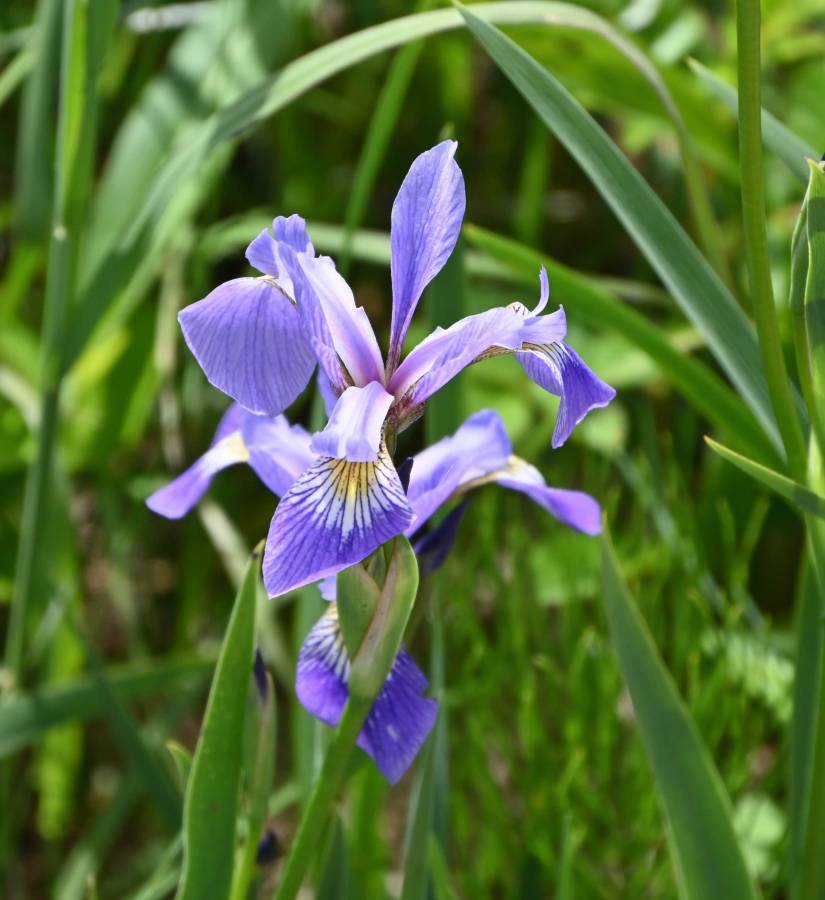
Bilateral symmetry is another common flower arrangement, and it is found in flowers like orchids and lilies. In these plants, the petals are arranged in a mirror-image pattern along a central axis, creating a balanced and harmonious appearance. This type of symmetry is believed to help guide pollinators towards the flower’s reproductive organs, increasing the chances of successful pollination.
In addition to these common patterns, flowers also exhibit a wide range of unique petal shapes, including tubular, bell-shaped, trumpet-shaped, and star-shaped petals. Each of these shapes serves a specific purpose, whether it be attracting pollinators, protecting reproductive organs, or dispersing seeds.
The Golden Ratio and Fibonacci Sequence
The Golden Ratio is a mathematical phenomenon that is often found in the natural world, where the ratio of the sum of two quantities to the larger quantity is equal to the ratio of the larger quantity to the smaller one. Known as Phi, or the divine proportion, this ratio has fascinated mathematicians, artists, architects, and biologists alike for centuries due to its aesthetic appeal and harmonious proportions. One of the most recognizable manifestations of the Golden Ratio in nature is the spiral forms found in various organisms, for example, the nautilus shell, seeds in a sunflower, and pine cones.
In plants and flowers, the influence of the Golden Ratio often intertwines with the Fibonacci sequence. The Fibonacci sequence is a mathematical pattern in which each number is the sum of the two preceding numbers. It is common to see the total petal count of a flower as a Fibonacci number (1, 1, 2, 3, 5, 8, 13, 21,…). This arrangement can be seen in the spiraling pattern of petals in plants like roses and marigolds, creating a visually pleasing and naturally occurring design.
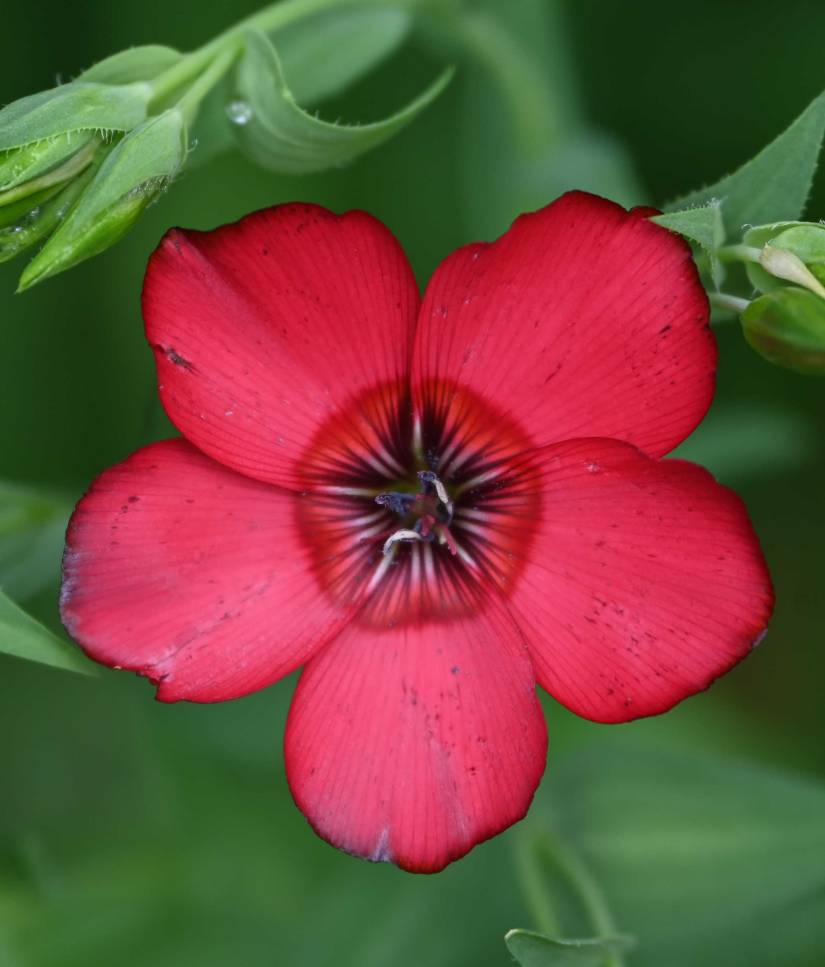
The Fibonacci sequence is thought to optimize the space available for petals while still allowing for efficient pollination.
The diversity of flower shapes and petal arrangements is a testament to the remarkable versatility and beauty of nature. A deeper understanding of the intricate designs of flowers can be gained by careful observation and study of these patterns. By gaining familiarity with the basics of flower shapes, overwhelm can be reduced, while inspiration and confidence can be increased when first approaching flowers as an art subject.

 The Heron and Rose