I have recently been exploring creating a native plant garden in one of my shady areas, and I have found that designing a well-rounded native plant garden requires a shift in perspective; the focus is on supporting a healthy ecosystem rather than solely prioritizing the aesthetic value of individual plants. Successful native plant gardening builds an appreciation for the interdependence of all living things within a local environment. I have been challenged to think holistically about supporting the broader ecosystem, not just optimizing for personal enjoyment. This mindset change can be profound, but the payoff is a thriving, self-sustaining outdoor space that contributes to the health of the surrounding environment.
One of the benefits of adding native plants that I found particularly appealing was the role they play in supporting local insect and bird populations. Native plant gardens serve as vital habitats for local pollinators, such as bees, butterflies, and hummingbirds. By providing the ideal hosts for the life cycle development of native insects, native gardens play a crucial role in sustaining the delicate balance of the ecosystem.

The most enjoyable part of gardening, and why I do it, is to see my yard come to life with butterflies and birds. With all of the challenges that invasive plants and insects have been giving local species, any small contribution that I can make to the continued existence of the native species in my region is well worth the effort.
I have also found that there is a steep learning curve at the beginning, and it can be overwhelming at times. Native plant gardening does have its challenges, and there are considerations that need to be taken into account just as is done with traditional gardening. It is good to seek out information that is as close to your local area as possible, because native plant species can vary significantly by region. Another factor to consider is that some native species can be quite aggressive growers, requiring more ongoing maintenance than traditional ornamental plants. I discovered this when I was looking into Goldenrod for my area.
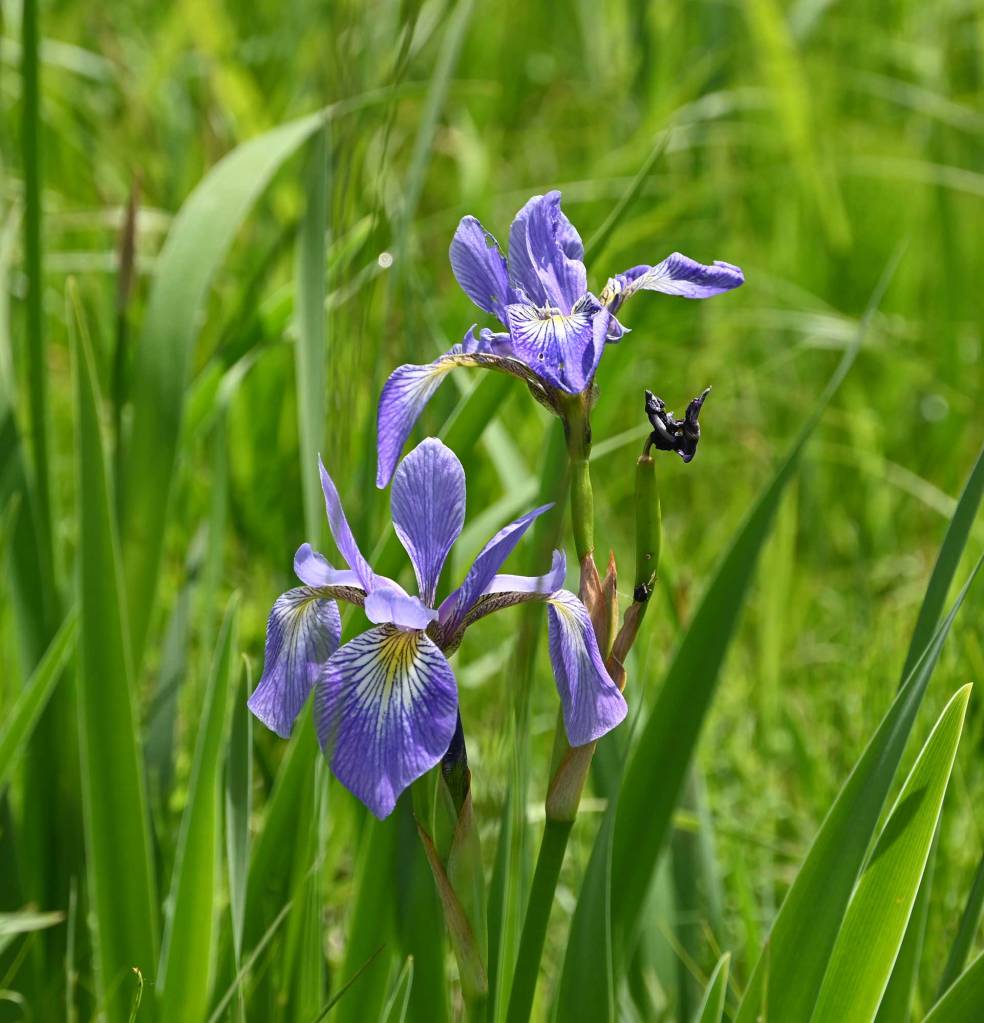
Another area of interest that I think is important for beginners to native gardening is to know about the category of plants known as cultivars and nativars. Cultivars are plants that have been selected and bred by humans to enhance a particular trait of a plant. Nativars are cultivated from native plant species, oftentimes to enhance their attractiveness.
Although nativars are derived from native species, they may not always perform in the same way as true wild natives. They could lack certain adaptations that wild species have developed over time to thrive in local conditions while also affecting their role as pollen producers and hosts for native insects. Since my goal of introducing more native species is to support the local ecosystem, I will be avoiding plants in the cultivar/nativar category.
The transition to a native plant garden is a thoughtful process that requires time and care, but the benefits—from supporting local ecosystems to creating a garden well adapted to the local climate—can be a rewarding experience.

 The Heron and Rose