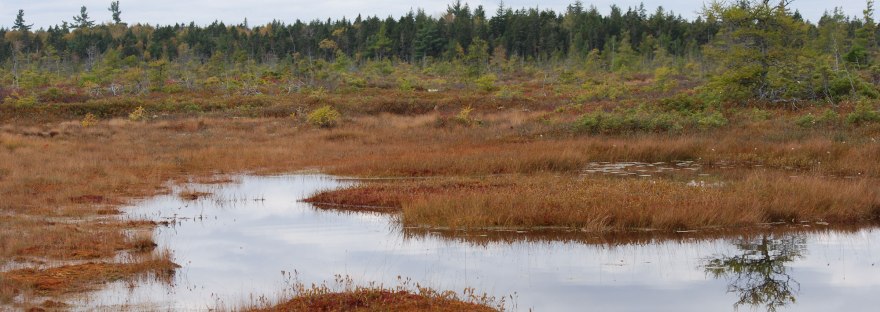
World Wetlands Day is celebrated every year on February 2nd. Its purpose is to raise awareness of how essential wetland ecosystems are to the biodiversity of plants and animals as well as human health and well-being. This is the first year that I have heard about this annual event but it was first created in 1997 as a way to mark the importance of the 1971 international adoption of the Convention of Wetlands also known as Ramsar. Wetlands are some of my favourite habitats, they encompass a wide variety of environments from inland rivers, lakes, bogs, marshes to saltwater marshes, coral reefs and estuaries.
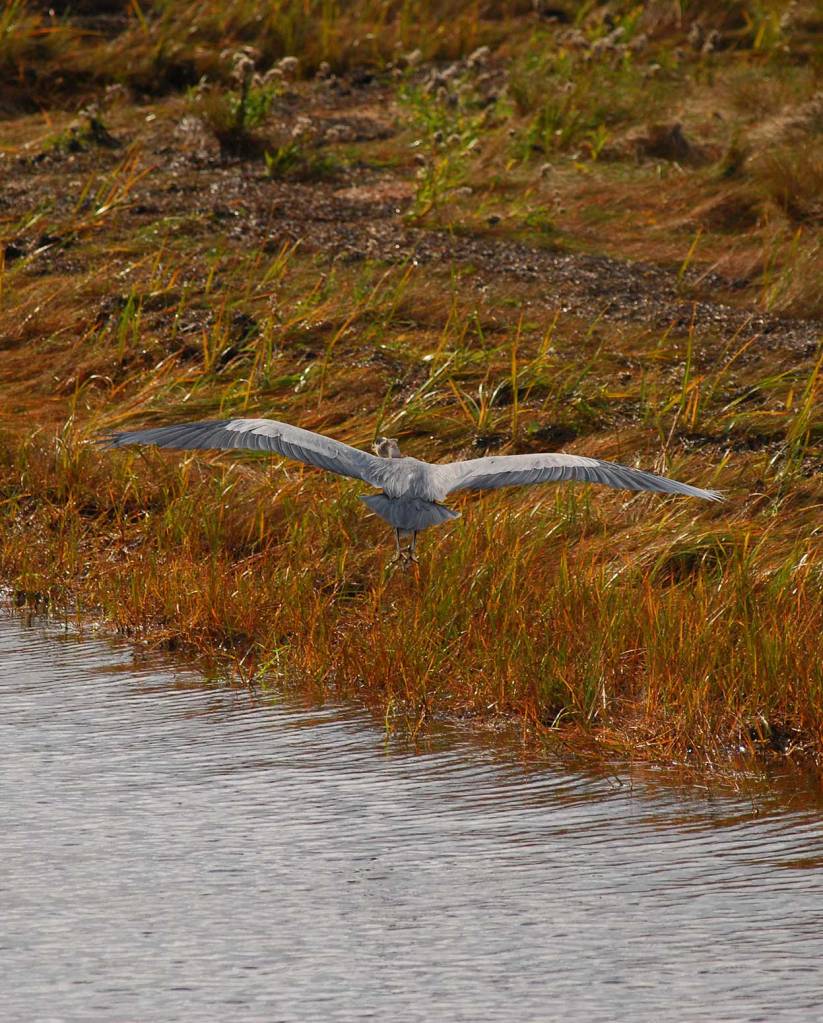
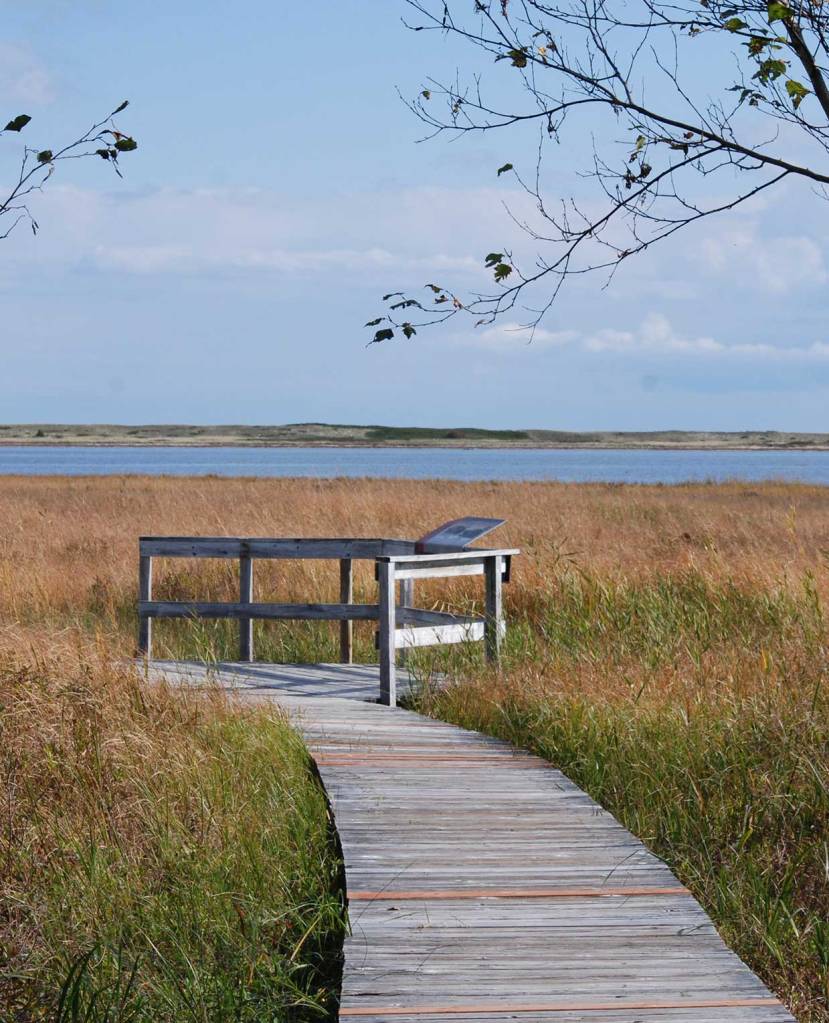
Wetlands cover approximately 6% of the earth’s surface, and here in Canada, wetlands are abundant throughout the country. In the autumn of 2023, I got the opportunity to visit Kouchibouguac National Park on the coast of New Brunswick. The park includes an estuary and freshwater and saltwater marshes. One thing that was noticeable was the biodiversity of plants and birds. According to Ramsar, 40% of the world’s species live and breed in wetlands.
Humans are also dependent on wetlands for water since they provide the majority of our freshwater sources. Many regions of the world also rely on wetlands, both natural and human-made, for food production such as rice and fish.
Some concerning statistics that Ramsar states on the official World Wetlands Day website are that 80% of wetlands have disappeared since the 1700s, and the largest decline of inland wetland species has occurred in the last 50 years. The main drivers of this habitat destruction are related to agricultural activities and the use of irrigation. Invasive species have also been steadily overtaking native wetland species, as has the ever-increasing encroachment of human development in and around wetland land habitats.
It is easy to feel overwhelmed by the vastness of the problem but awareness is a good place to start and small actions can make a big difference. Look for reputable conservation groups in your country and see what ways you can contribute to their efforts. It is also important to become knowledgeable about what risks are relevant in your local area and to talk about these topics with others to raise awareness.

 The Heron and Rose