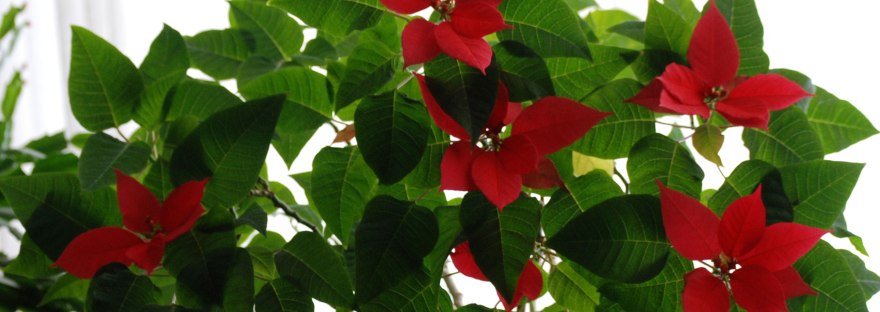
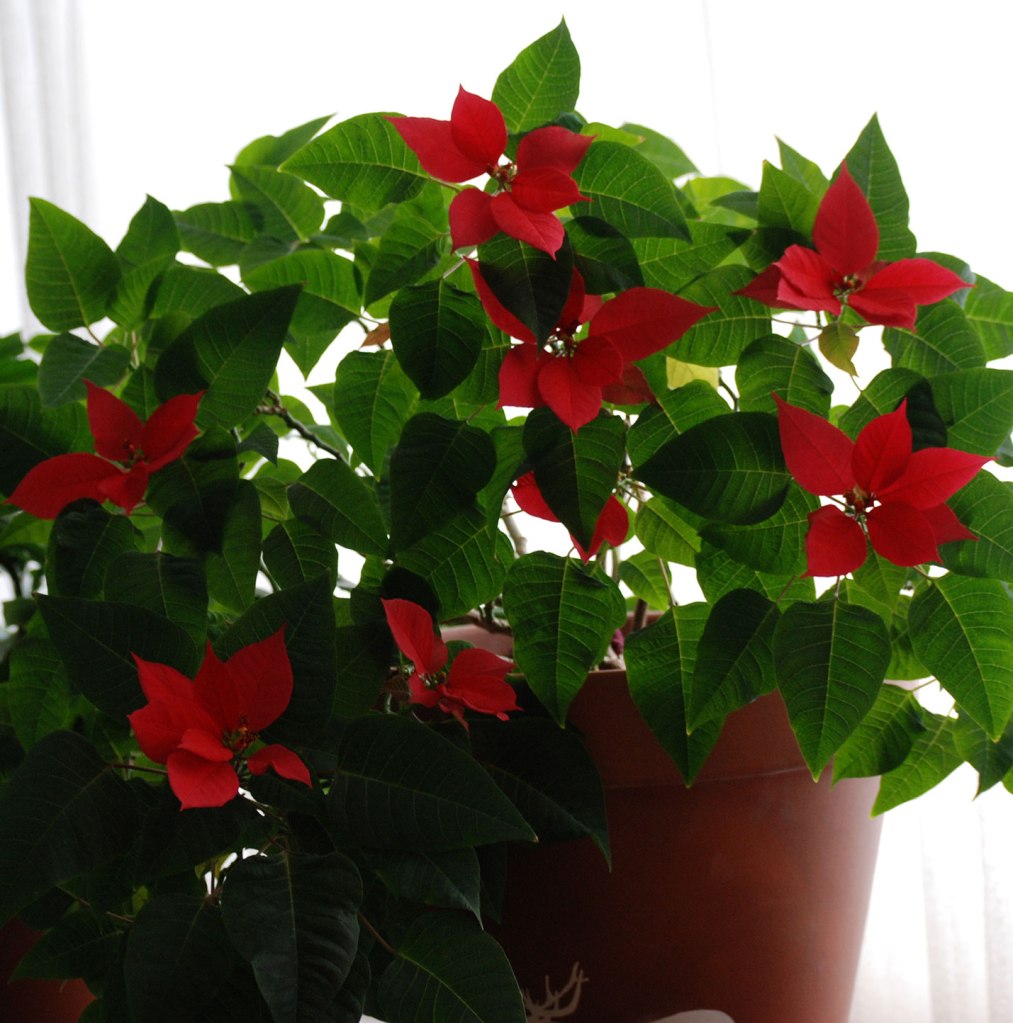
For gardeners who live in a colder climate, winter can be a challenging time of year, particularly when the garden is covered in deep snow and spring comes late. As a way to keep up with some aspects of gardening through the winter, I have started to spend more time caring for houseplants over the last few years. I have found that the skills that I have from outdoor gardening do not always transfer to indoor gardening, but it is a good way to sharpen the skills that do transfer as well as build some new skills.
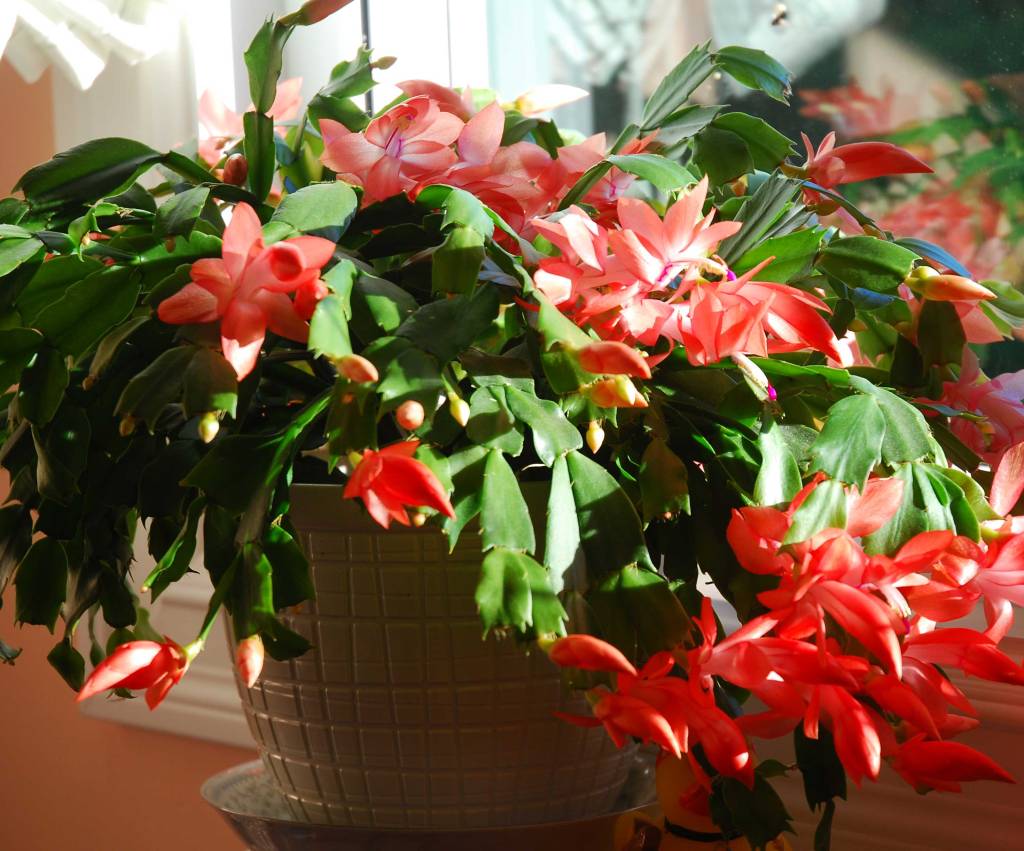
One of the fun things that I like to do with my houseplants is propagate them. My favourite plants for propagation are the easy ones, such as English ivy and Christmas cactus. The Christmas cactus is a really good plant to have around the house because it starts coming out in abundant flowers during the fall and winter when the outside is bare and bleak. I have several in different flowering colours.
I also like growing new ivy around different climbing structures that I set in the plant pot to introduce some creativity into my plant collection. My explorations in propagating some of my houseplants have given me further experience in starting and propagating my outdoor plants more successfully.
Another way that caring for houseplants has helped me is to be more observant of the needs of the plants. I have found that many types of indoor plants are particular about their environment, more than the plants and vegetables that I grow outdoors. Just like some plants won’t be able to grow in my garden because they are too far out of
my growing zone, there are indoor plants that can’t grow in my house without creating an artificial environment for them. Ferns are an example of a type of plant I really struggle with because my indoor space is too dry for many of the species that are available to me. Since ferns are one of my favourite plants, I’ve been exploring ways to make a terrarium for ferns and other humidity loving plants.
There are a myriad of ways to express the need to garden with indoor plants when the outdoors are not inviting, and there are always new challenges to pursue and explore with houseplants, so it doesn’t get boring.

 The Heron and Rose