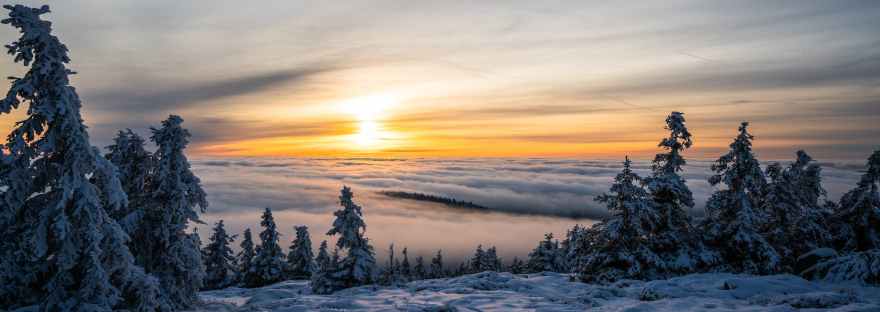
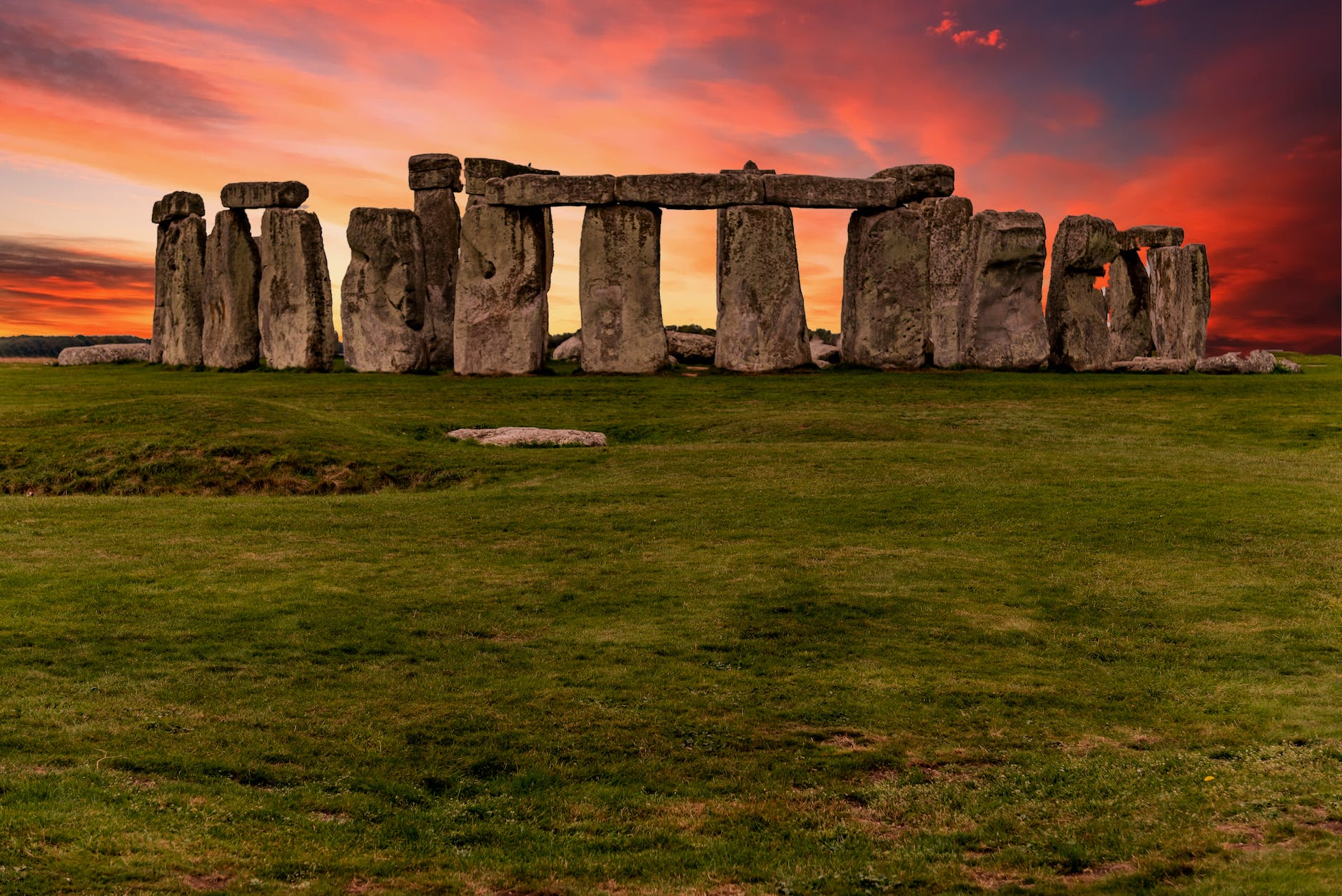
The Winter Solstice has been observed or celebrated by cultures from across the world for thousands of years. Evidence from archaeology has shown that the winter solstice has been observed at tombs, monuments, and other ritual spaces built by Neolithic-age peoples. Even in modern times, you will find some form of celebration or special day that marks the winter solstice in all regions of the world. The winter solstice is an astronomical event that occurs on or around December 20 or 21 in the northern hemisphere and June 20 or 21 in the southern hemisphere, and it is the day when there is the least amount of daylight of the year. After the winter solstice, the days slowly start to get longer until the summer solstice in June (December for the southern hemisphere).

As an avid gardener and naturalist, the winter solstice is a special time of year for me, and it has become even more significant since I moved into a colder, more northern part of Canada than I grew up in. The time of the solstice is a reminder of the cyclical nature of life on earth. It isn’t surprising that during the Neolithic period, when farming became more common and populations became more settled in one place, groups of people started to devote precious time and resources to tracking the activity of the sun through the solstices and the equinoxes. While there were benefits for the ancient peoples in moving away from a nomadic way of life, they also became more aware that they were vulnerable to the will of nature’s effects on their crops. I’m reminded of a quote from the British archaeologist Francis Pryor in his book The Making of the British Landscape in regards to the winter solstice sun alignment of ancient sites: “The intention behind the alignment was to link the monument and the people who had constructed it with the forces that created and controlled nature.” The marking of the end of the period of declining daylight and the return of the sun would be a strong symbol of hope for a new season of planting and hopefully abundance.
While the record of celebrating the winter solstice began in the Neolithic period, the observance of the winter solstice still has relevance today. It is an annual astronomical phenomenon that has scientific meaning in understanding how our planet functions and tracking the progress of the seasons. A greater scientific understanding of our planet’s place in the universe can serve to forge a greater connection to nature, but despite all of our technological advances, life on earth still requires the sun, just as it did for history’s earliest peoples, flora, and fauna. I also think that there is value in the symbolic meaning of the winter solstice that the ancients perceived in the return of the sun. The cycles of rebirth, renewal, and triumph over darkness are just as applicable to the small and great things in our daily lives. So this year I am going to take time to reflect on the history and present meaning of the winter solstice.

 The Heron and Rose